
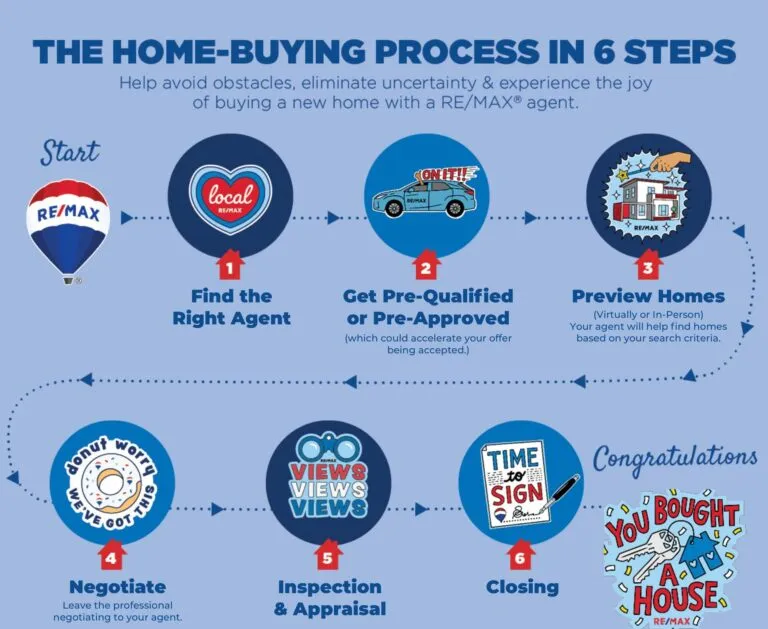
Turn the contract into a working calendar.
Review the agreement with your agent and identify deposits, inspection periods, financing milestones and closing requirements. Clarify who is responsible for each action and how notices must be handled. Seek legal guidance when you need interpretation of rights or obligations.
Keep lender requests moving and discuss significant financial changes before making them. A new loan, job change or large unexplained transfer can raise additional underwriting questions. Preapproval is not a final commitment to fund a particular purchase.
Inspect carefully. Negotiate with a clear purpose.
Schedule qualified inspectors appropriate to the home and the review periods available. A general inspection may point to further evaluation of a roof, electrical system, moisture issue or waterfront structure. Ask what was inspected, what was inaccessible and which findings warrant specialist attention.
Your agent can use the inspection findings to help negotiate repairs, a price adjustment or a closing credit with the seller. Discuss your priorities, supporting estimates and the relevant deadline before making a request. Any response depends on the agreement and what the parties accept; a report does not automatically obligate the seller to repair everything.
Keep value and paperwork in view.
For a financed purchase, the lender generally arranges the appraisal through its process. The result is an opinion of value, not a guarantee of condition or a promise of future resale value. If it differs from the purchase price, review the financing implications and contract options promptly.
Continue reviewing title, insurance and any association documents with the relevant professionals. Resolve open questions before the final walkthrough and signing, rather than letting them gather at the finish line.
- Track outstanding lender and insurance requirements.
- Record inspection follow-ups and agreed changes in the appropriate written form.
- Confirm closing logistics with the closing professional.
A few useful answers
Before your next step.
Does the appraisal replace a home inspection?
No. They serve different purposes. Discuss property condition with qualified inspectors and the appraisal’s financing implications with your lender.
General real estate guidance. Property-specific decisions may require advice from your agent, lender, insurer, attorney or qualified contractor. This is not a market report or a substitute for professional evaluation.